

Views: 1011 Author: Cristian Publish Time: 2024-04-10 Origin: https://www.agro-ltm.com/


The 4 most important parts that make up a tractor, and the core selection of each part
Introduction: The tractor is an indispensable mechanical equipment in the agricultural field. Its powerful power and versatility make it a powerful assistant for farmers. This article will introduce the key role of tractors in agriculture and provide an in-depth analysis of its important components to help you understand the working principle and selection of tractors.
Tractor as the engine of agricultural production
Tractors play an important role in modern agriculture and are farmers' right-hand assistants. They provide strong power and carrying capacity and are widely used in various aspects of agriculture, including tasks such as tillage, planting, harvesting and material transportation. The role of tractors is not only to improve the efficiency of agricultural production, but also to reduce farmers' physical labor and make agricultural work more convenient and efficient.
1. Engine - the heart of the tractor
A tractor's engine is one of its most important components. Usually an internal combustion engine or diesel engine is used, and its powerful power drives the operation of the tractor. The quality and performance of the engine directly affect the working efficiency and reliability of the tractor. The engines of modern tractors usually feature high power, low fuel consumption and low emissions to meet the needs of environmental protection and energy saving.
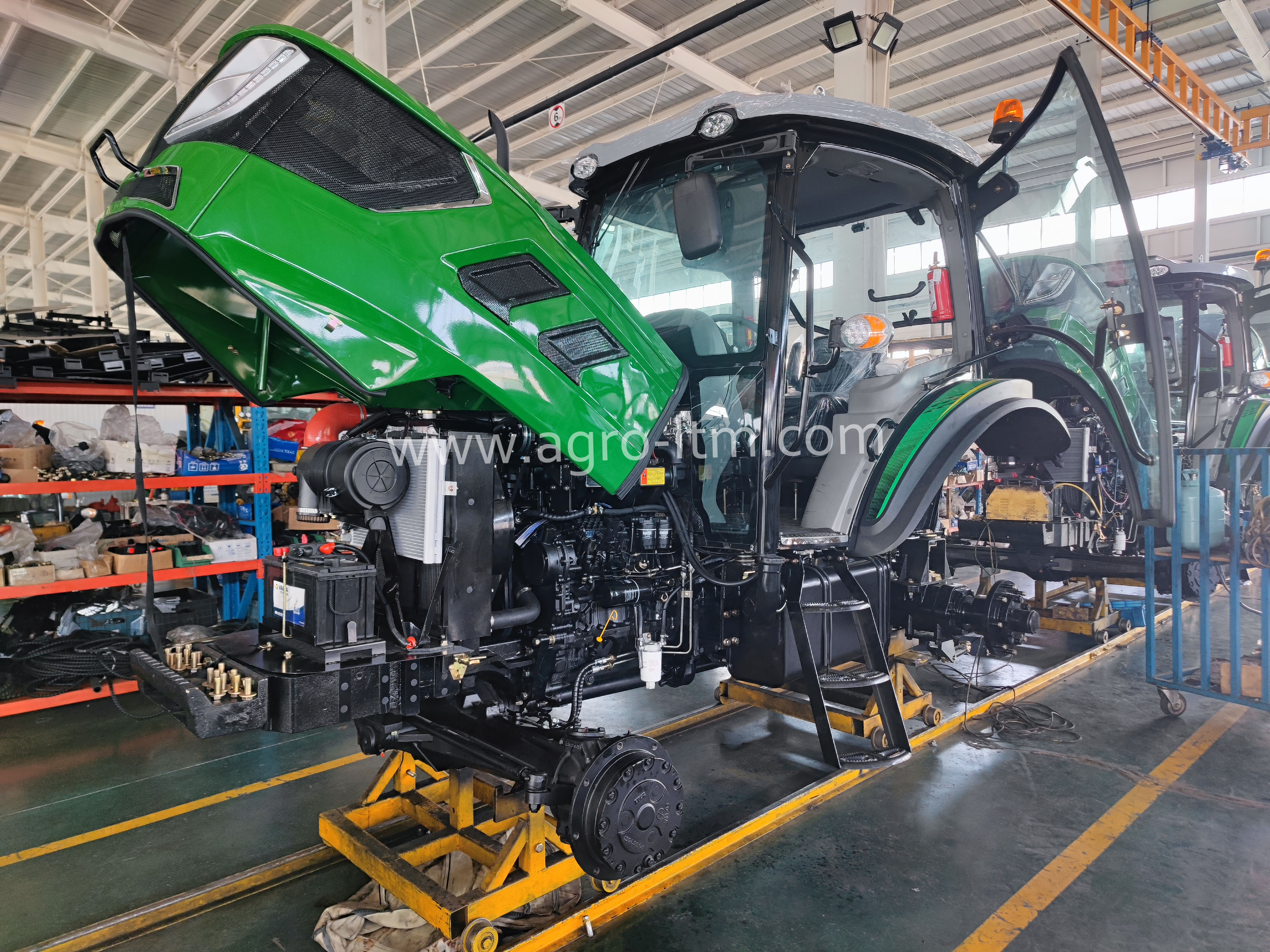
Diesel Engine Advantages: In agriculture, most tractors are equipped with diesel engines. Diesel engines feature efficient combustion and low fuel consumption, allowing them to perform well under long-term, high-load operating conditions. Additionally, diesel engines have higher torque output and are suitable for heavy-duty work such as tilling, hauling and hauling.
Power: A tractor's engine power is usually measured in horsepower (HP) or kilowatts (kW). Different models of tractors have engines with different powers, and the appropriate power level can be selected according to work needs.
Environmental protection and energy saving: Modern tractor engines pay more and more attention to environmental protection and energy saving. Adopt advanced combustion technology and emission control systems to reduce harmful gas emissions. At the same time, by optimizing the combustion process and improving heat utilization efficiency, fuel consumption is reduced and energy saving effects are achieved. For example, Europe, America, Asia, Africa, etc. adopt different emission standards
Electronic Control: Some tractor engines are equipped with an electronic control unit (ECU) that monitors and adjusts engine operation. The ECU can monitor engine performance, fuel injection, intake and exhaust system parameters in real time, and perform precise control as needed to improve combustion efficiency and operating performance.
2. Chassis and tires - the cornerstone of stability and traction
A tractor's chassis and tires are the cornerstone of its stability and traction. The design and manufacturing quality of the chassis are directly related to the stability and durability of the tractor. The large-pressure tires provide good traction and sufficient contact patch, allowing the tractor to work on different terrains and soil conditions. This stability and traction help the tractor operate efficiently in the field and meet the challenges of a variety of agricultural tasks.
Chassis design: The chassis of the tractor is the structure that supports the entire body and bears important weight and force. The design and manufacturing quality of the chassis are directly related to the stability, durability and controllability of the tractor. A high-quality chassis should have the characteristics of high strength, good rigidity, and light weight to ensure that the tractor can operate stably under various working conditions.
Tire types: Common tire types for tractors include regular tires, high-pressure tires and track tires. Regular tires are generally suitable for general agricultural operations and provide basic traction and stability. High-pressure tires have a larger tread contact area and lower tire pressure, which can provide better traction and reduce pressure on the ground on slippery or soft soil. Track tires are suitable for harsh terrain conditions, such as mud or slopes, and can provide a larger contact patch and traction.
Tire Pressure: The air pressure in your tractor’s tires is critical to its performance and safety. Different work tasks and terrain conditions may require adjustments to tire pressure. Higher air pressure can reduce tire rolling resistance and fuel consumption, making it suitable for highway driving and high-speed work. Lower air pressure can increase the contact area and traction between the tire and the ground, making it suitable for fields and slippery working environments.
Tire selection: Choosing the right tires is crucial to the tractor's performance and adaptability to different working environments. The appropriate tire type, tread pattern and size should be selected based on specific agricultural tasks, terrain conditions and seasonal requirements
3. Cab and control system - guarantee of ease of operation
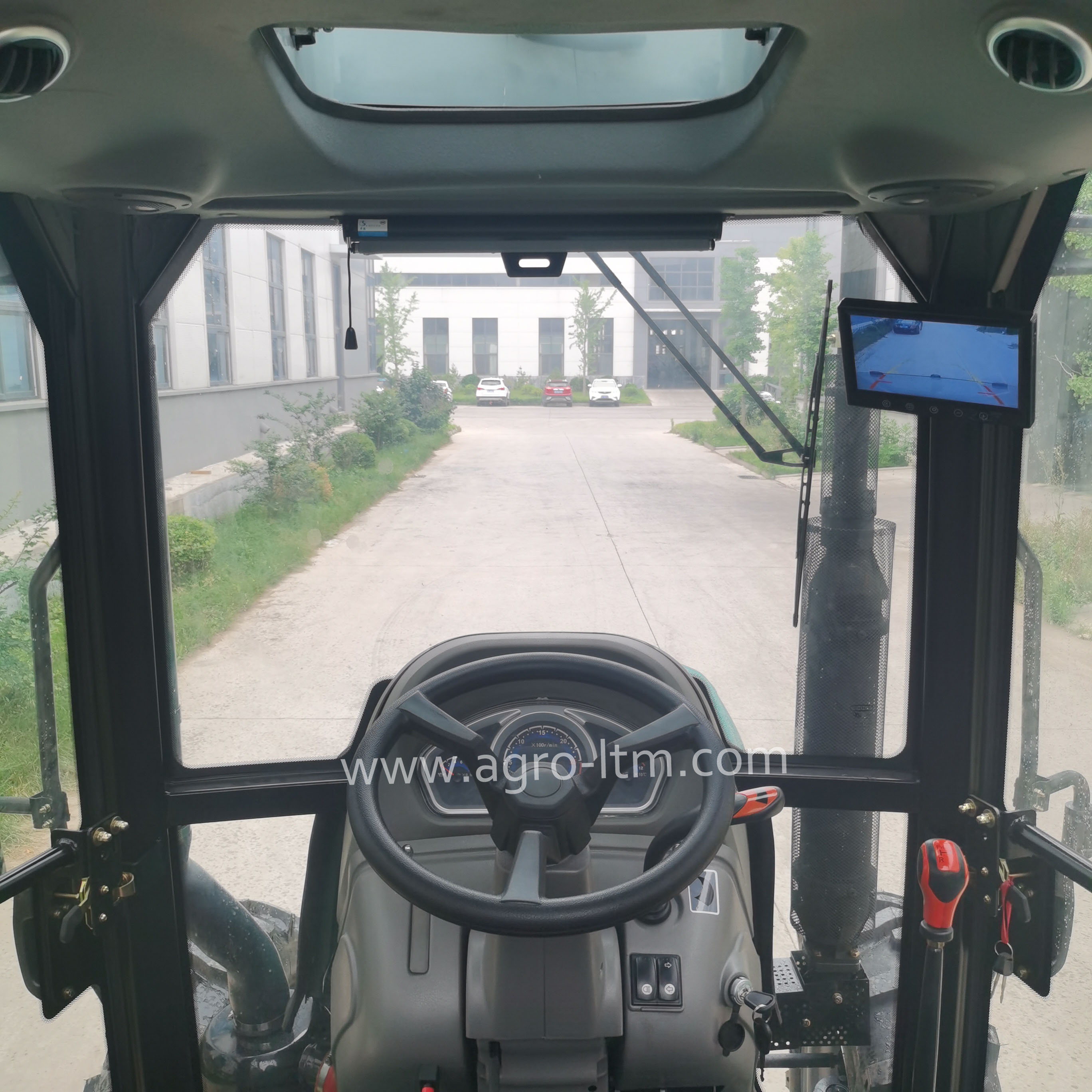
The tractor's cab and control system are key to ensuring operational convenience and driver comfort. The cab is usually equipped with seats, steering wheels, joysticks, instrument panels and control panels to facilitate the driver's control of the tractor. The control systems of modern tractors are becoming more and more intelligent, including LCD screens, electronic control units and automatic driving functions, providing higher operational convenience and work accuracy.
4. Connection systems and accessories – the embodiment of versatility
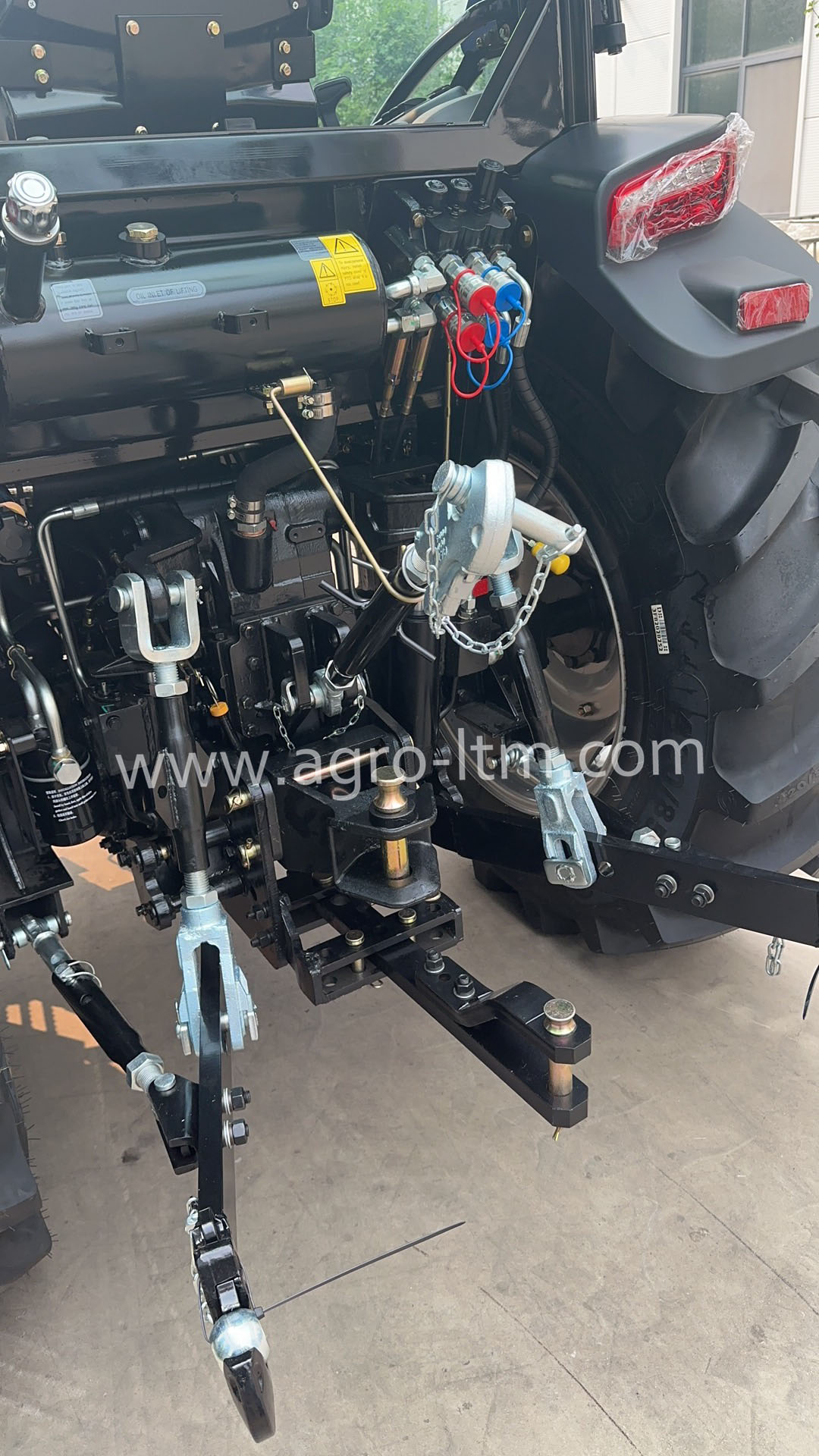
The tractor's hitch system and attachments give it versatility. Attachment systems typically include brackets and hitch points for attaching and supporting a variety of agricultural attachments and equipment, such as plows, tillage machinery, planters, harvesters, and sprinklers. This allows the tractor to quickly replace and install different tools according to different agricultural tasks and needs to achieve multi-functional operations.
in conclusion:
Tractors play a key role in agriculture. They provide powerful power and carrying capacity to help farmers complete various agricultural tasks. Its key components include the engine, chassis and tires, cab and control systems, as well as connectivity systems and accessories. These parts work together to give the tractor stability, traction and ease of operation, enabling multi-functional agricultural operations.
If you don’t know how to choose a tractor, please contact us


